
How much protein per day you need when you strength train
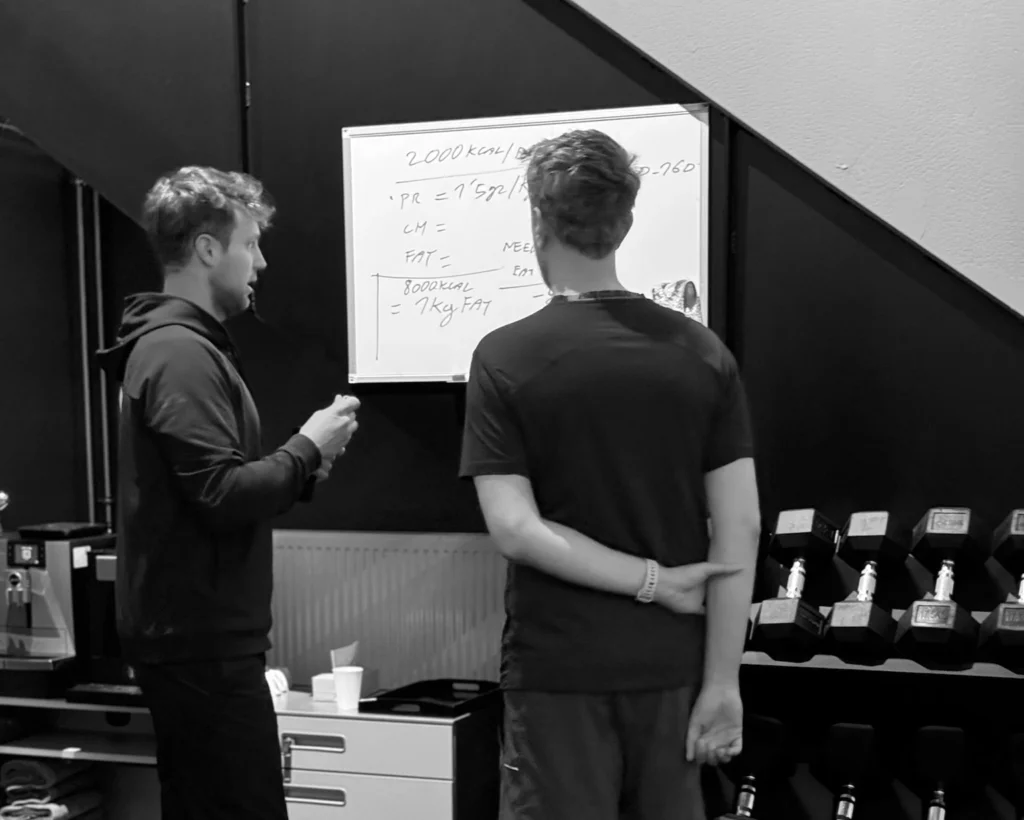
The protein per day you need depends on whether you lift. The reference value for adults who don’t train is 0.8 g per kilo of body weight, rising to 1.0 g from age 65. If you do strength training and want to build or keep muscle, you need clearly more: the International Society of Sports […]
How to measure body fat: how accurate scales, bioimpedance and scans really are
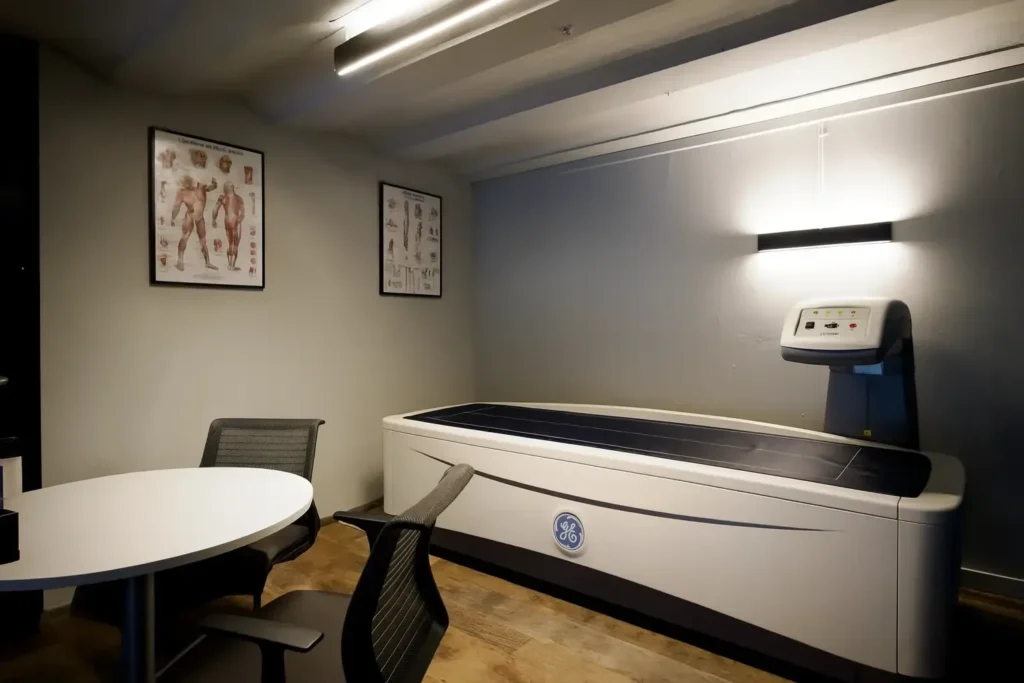
There are four ways to measure body fat that you can actually get outside a lab: a smart scale at home, bioimpedance analysis on a professional device, skinfold calipers, and a low-dose X-ray body composition scan. None of them measures fat directly. Each one measures something easier and converts it with a formula. For a […]
Hyrox training: a 12-week plan for your first race
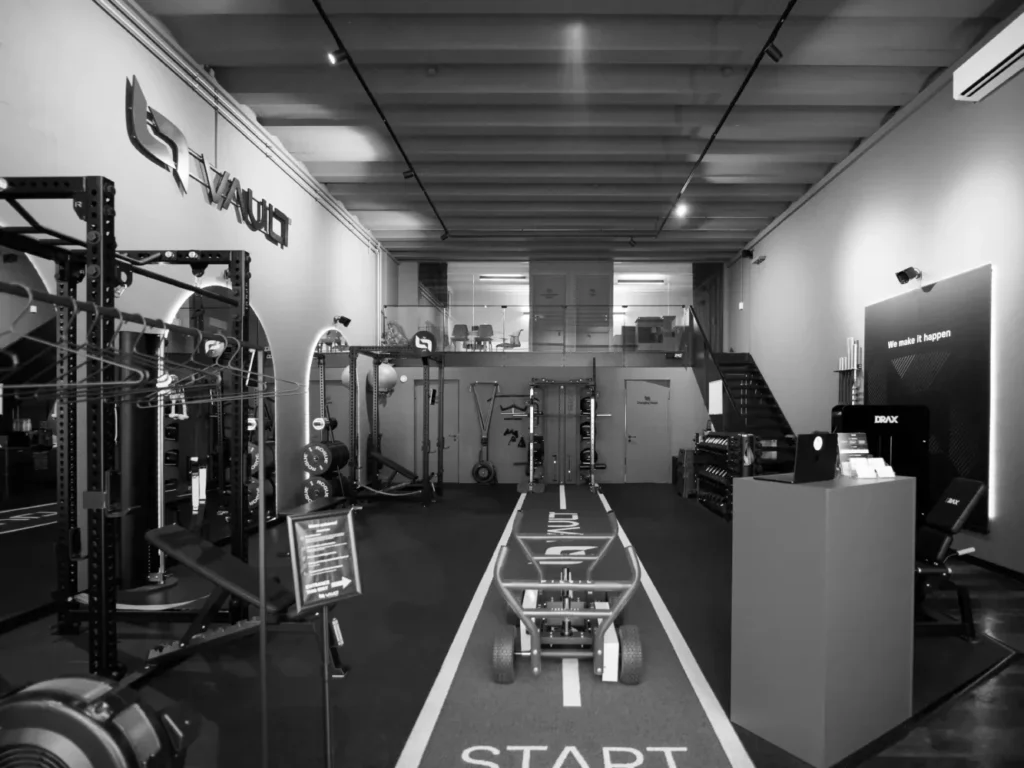
A Hyrox race is eight 1 km runs, each followed by one workout station: 8 km of running and eight stations in total. Good Hyrox training over 12 weeks therefore starts with running, adds the strength you need for the sleds, lunges and wall balls, and from around week 5 puts the two together so […]
Strength training for women over 40: why it matters now and how to start
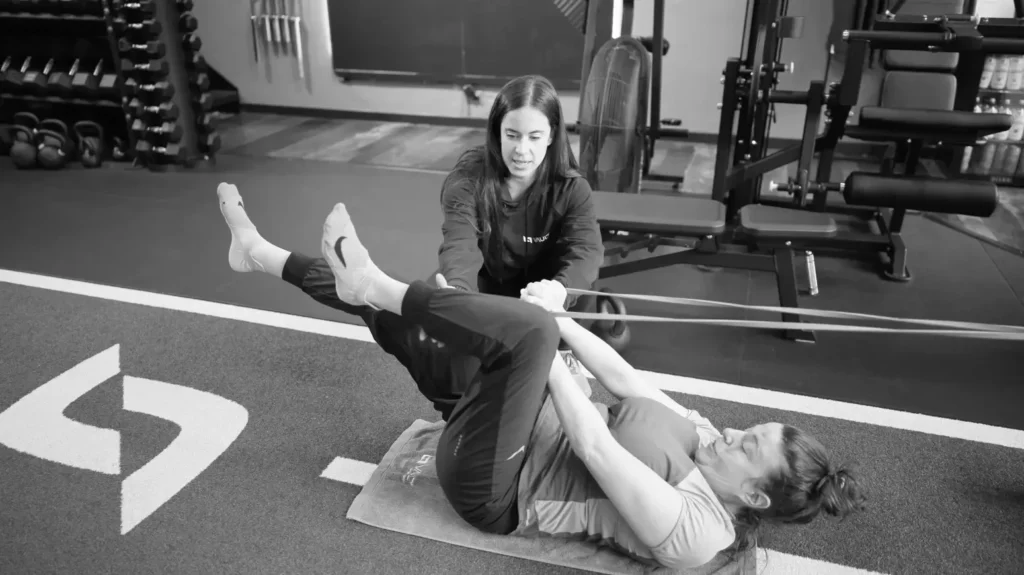
Strength training for women follows the same rules as for men: big compound lifts, loads close to your limit, and a little more over time. Relative to where they start, women build muscle at the same rate as men. After 40 it matters more, because around menopause fat goes up faster and lean mass goes […]
Sarcopenia: how to slow muscle loss as you age, even at 80
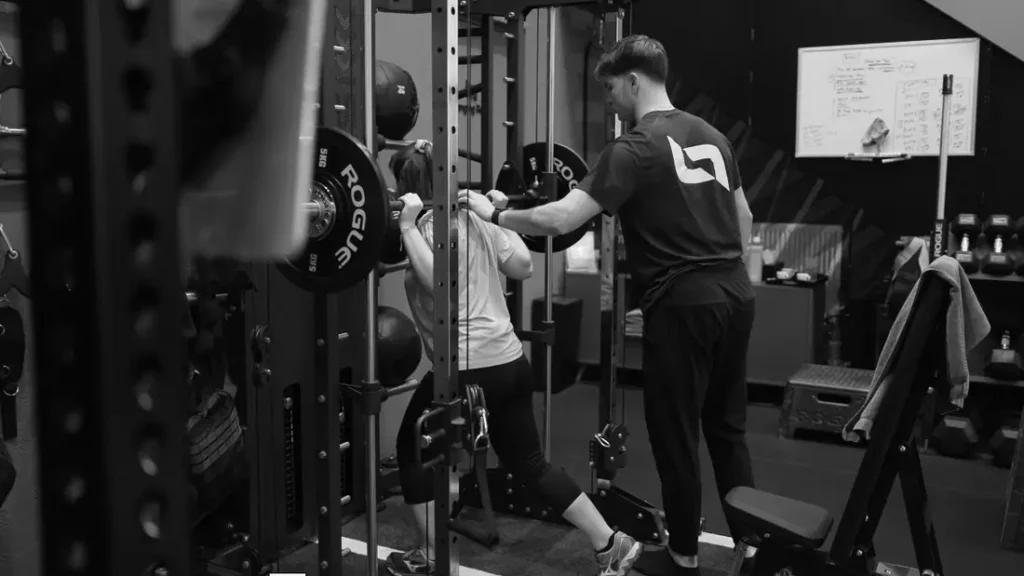
Sarcopenia is the progressive loss of muscle strength and muscle mass that usually comes with age. The two things that slow it down are strength training heavy enough to matter and enough protein, and both still work in your eighties. Whether you have sarcopenia is for your doctor to say. What you can do about […]
Qualitop and health insurance: when your supplementary policy pays towards personal training
Qualitop is the Swiss quality label for gyms and exercise providers, and it’s the reason Swiss health insurance can contribute to your training at all. Basic insurance doesn’t pay for training. Some supplementary policies (Zusatzversicherung) do contribute towards training with a Qualitop-certified provider, personal training included. How much depends entirely on your insurer and your […]
Visceral fat: the belly fat you can’t see, and how to reduce it
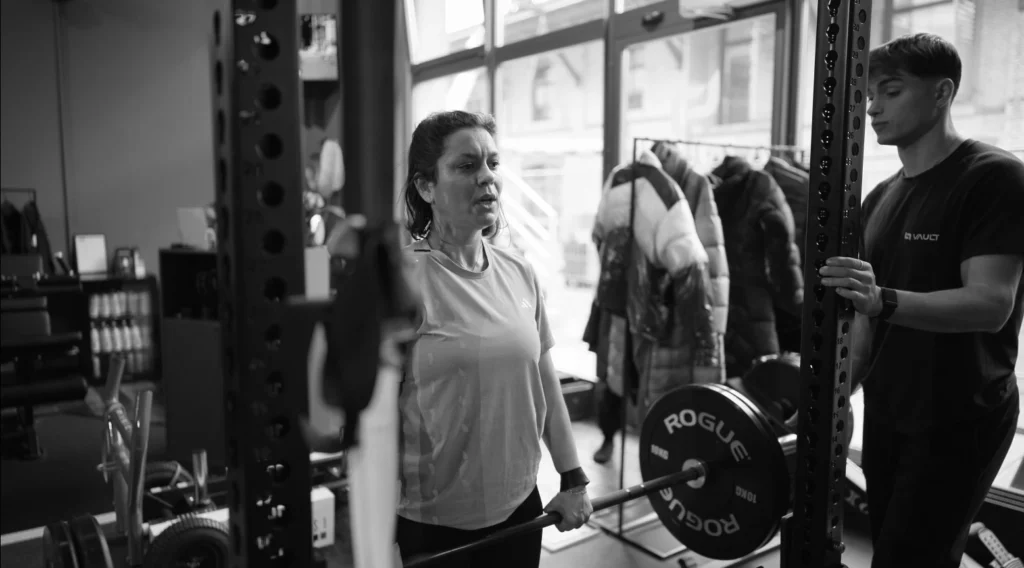
Visceral fat is the fat stored deep inside your abdomen, wrapped around the liver, the gut and the other organs. You can’t see it or pinch it, and it tells you more about your metabolic risk than your weight does. You reduce it with a calorie deficit and regular training, and training lowers it even […]
Healthy body fat percentage for women and men: what’s normal at your age
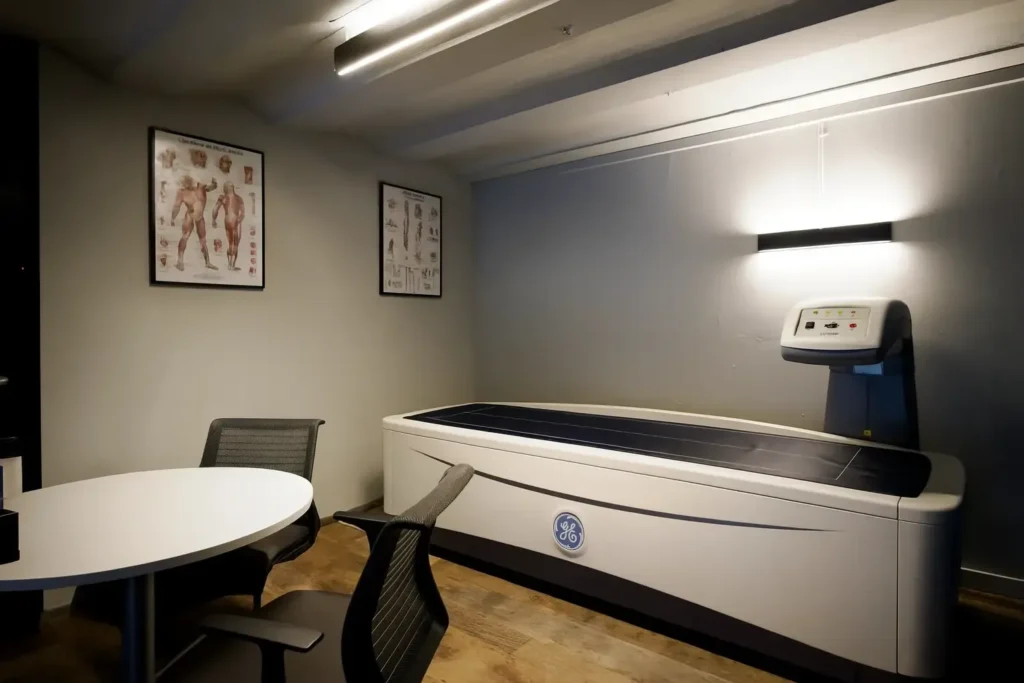
A healthy body fat percentage for women aged 20 to 39 is roughly 21 to 33%, and for men the same age roughly 8 to 20%. The ranges rise with age: at 60 to 79 it’s about 24 to 36% for women and 13 to 25% for men (Gallagher et al., 2000). Treat these as […]
What happens when you stop Ozempic or Mounjaro, and how to prepare
When you stop Ozempic, Wegovy or Mounjaro, the appetite comes back and for most people a large part of the weight comes back too. In the STEP 1 trial, people regained about two-thirds of the weight they had lost within one year of stopping semaglutide. Studies after diets suggest the weight that returns is mostly […]
What is a body composition scan? A coach’s guide to measuring fat and muscle
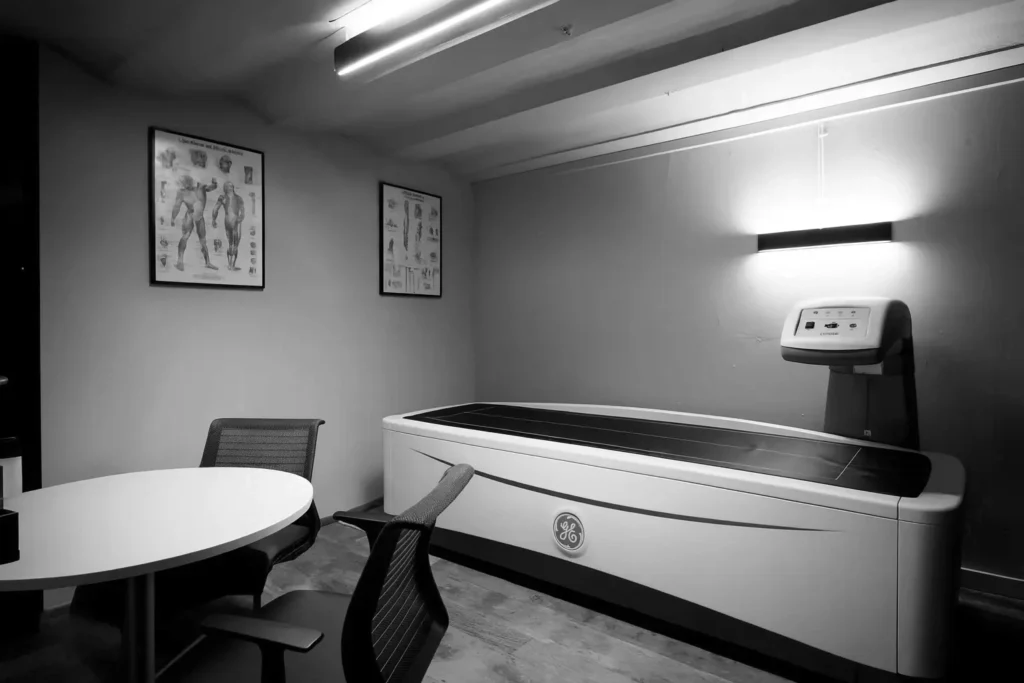
A body composition scan is a full-body, low-dose X-ray scan that splits your weight into fat mass, lean mass and bone mineral density, and shows how each is distributed left to right. At VAULT Training, Brandschenkestrasse 150, 8002 Zürich (Enge), a scan takes 15 to 20 minutes, costs CHF 235 (a follow-up scan is CHF […]